
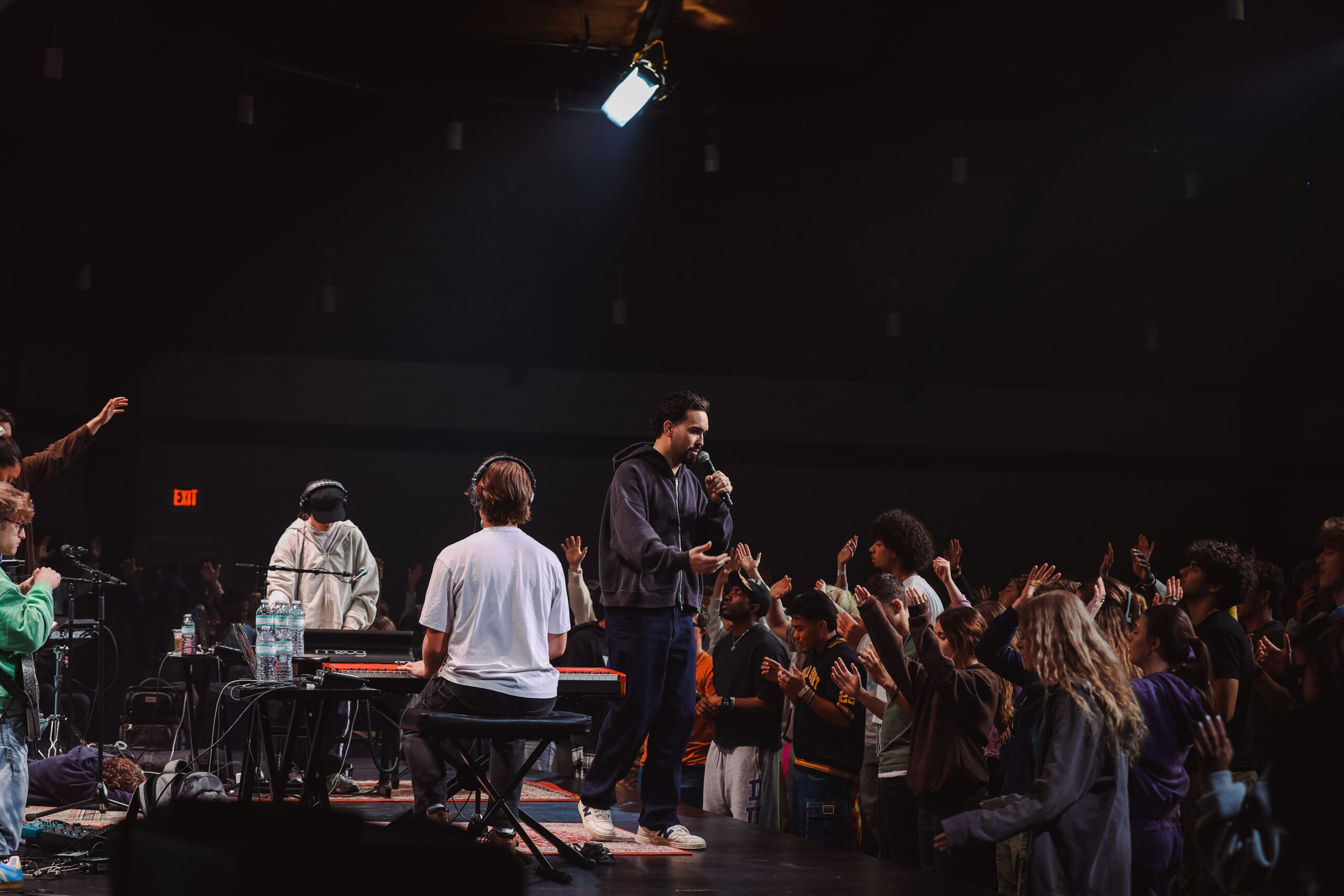
For nine days, a profound move of God eclipsed the usual rhythms of life at Southeastern University. During this time, our campus became a sanctuary of continuous worship, repentance, and deep spiritual hunger. We set aside our plans and allowed God to recalibrate our hearts.
However, the music has now gone silent. The 24-hour prayer circles have ended, and worship has returned to the standard college semester flow. Consequently, we find ourselves in the aftermath of an encounter with God.
In the wake of such a moment, the most critical question anyone can ask is: What’s next? If we do not move forward from the experience to stewardship, we risk treating an encounter as nothing more than a memory. To turn a moment into a movement, we must navigate this time with intentionality.
1. From Encounter to Endurance
An encounter with God is like a fire; it provides warmth and light in a moment of concentrated intensity. However, the purpose of a fire is not just to be watched. Instead, it is meant to provide fuel for the work ahead. Stewarding the fruits of this encounter means translating the “high” of the altar into the “habit” of the secret place.
If the move of God only happened when the lights were on and the music was playing, then we haven’t yet reached spiritual maturity. True endurance is built when we continue to seek His face in the quiet of a dorm room or the routine of a Tuesday morning. We must move from the atmosphere of a crowd to the framework of a disciplined life.
2. Guarding the New Normal
When God moves, He often rearranges our priorities. You may have found yourself caring less about social status or personal gain and more about spiritual depth and kingdom impact. Nevertheless, this “new normal” is fragile. The enemy’s strategy is to convince you that the surrender you felt was just emotional hype.
Stewardship requires an intentional guarding of the heart. To protect what God has started, consider these three commitments:
- Choose to love your neighbor as you did at the altar, even when they frustrate you in daily life.
- Refuse to let the return to routine dull the hunger you felt during the outpouring.
- Ensure your integrity matches your intensity. The person on their knees at the altar must be the same person who sits in the classroom.
3. The Commission
We must remember that every encounter is for the purpose of being sent. In the book of Acts, the believers didn’t simply stay in the upper room. That moment was the catalyst for the early church movement. Therefore, the aftermath of an encounter is not a time to retreat, but a time to press on.
The fire you carry is not meant to stay within the walls of a building. Rather, it is fuel for your assignment in the classroom, the workplace, and the community. Your daily life now becomes a testimony of a transformed heart.
Final Thought
Ultimately, we cannot manufacture a move of God, but we are entirely responsible for its stewardship. We have been entrusted with the responsibility to go into the world as changed individuals. This outpouring was just the beginning of what God wants to do in and through your life.
Let us not become a people who let the fire go out. Instead, we must tend to the spark that God has ignited inside us. As we let the fire burn brightly, it will naturally spread to those around us. We aren’t just looking back at what happened; we are looking forward to what God will do through a generation that is truly, deeply, and permanently changed.